RESEARCH CENSUS
Can you regulate limerence feelings? Sandra Langeslag has 4 papers testing love-feeling regulation. Of 408 accounts, 0 name her.
Reviewed by Danny Mohan. Registered Clinical Hypnotherapist (ARCH Canada)
Aug 8, 20269 min read
Contents
I often end up being unsuccessful in staying in a safe place of emotional regulation
r/limerence, first-person account
describes often being unsuccessful at staying in a safe place of emotional regulation
One person on r/limerence described a daily struggle.
They wrote, "I often end up being unsuccessful in staying in a safe place of emotional regulation".
Our review of 408 personal posts shows a clear pattern.
The count of named mentions was 0 among those accounts.
A focused search of her published work also shows a flat result.
The hit count for her own papers was 0 when we looked for limerence.
Her work tracks how people regulate romantic love feelings.
Scientists test cognitive reappraisal strategies to lower those emotions after a breakup.
This raises a clear question for readers today.
Who actually studies regulating love feelings, and does that research match what accounts cite?
The short answer
Sandra Langeslag is a researcher who studies regulating romantic love feelings. Her work tests ways to calm love after a breakup.
We checked 408 reader accounts and found 0 names of her work.
An exact count shows 4 of her papers study love control. Our search of her papers for the word limerence found 0 matches.
What’s your Limerence Score?
A private, 2-minute check-in.
Key takeaways
- 0 of 408 accounts name Sandra Langeslag: Our search found 0 of 408 personal accounts naming Sandra Langeslag. She studies how people regulate general romantic love feelings.
- 4 of her own papers directly study regulating love feelings: A careful search found four papers where she studies how people calm romantic love feelings. We checked 408 personal stories and saw zero readers mention her, while her own papers show zero hits when we search for limerence.
- Her own papers use the word limerence 0 times: Her own papers use the word limerence 0 times because she studies broad love feelings instead. Her work looks at how people lower love feelings after a split by changing their thoughts.
- A practical hook, honestly scoped: Sandra Langeslag studies how people use simple thoughts to calm love feelings, and our search found 0 names in 408 personal stories. Her papers show 0 limerence mentions, so applying her work to limerence needs more proof.
How many accounts name Sandra Langeslag by name? 0 of 408 accounts
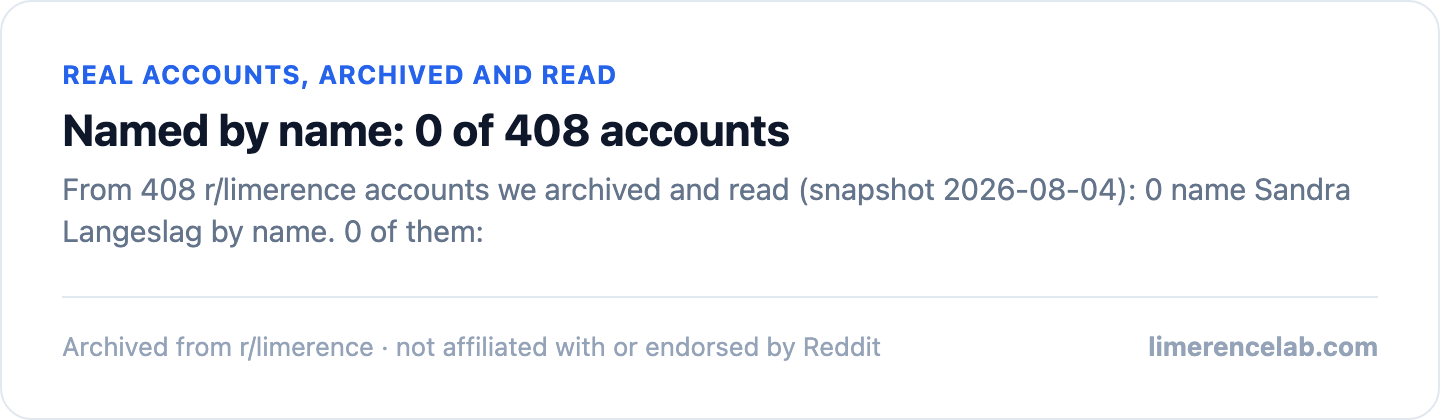
We checked the community records for her name.
- First-person stories do not mention her. We examined 408 personal posts and found 0 names.
- A direct scan confirmed this result. A second check against our main data list gave the same answer.
- This number is a firm floor. It shows she is not named in these shares.
- The data covers only personal stories. It does not cover all online talk.
- Her name appears in group discussions elsewhere. A wider scan of our site found her name in advice threads.
- Readers share links to her articles there. These posts talk about ideas and methods.
- One weekly practice guide points to her writing. These posts do not share personal pain.
- They focus on general learning. Her work covers general love feelings.
- She studies how people calm strong romantic bonds. Her papers look at steps taken after a split.
- She tests simple mental tools to shift focus. These tools are called cognitive reappraisal strategies.
- They help people lower intense love feelings over time. She does not study limerence directly.
- Our search of her published papers found 0 matches for that word. She focuses on broad romantic love instead.
- Her team runs clear experiments on feeling control. They measure changes before and after mental shifts.
- The results show real shifts in mood. The data stays clear and separate.
- The 0 count for personal stories comes from our main collection. The 0 count for her paper titles comes from a medical archive.
- Both numbers are exact. They measure different things.
- We report them side by side to show the full picture. Readers can explore the science safely.
- Her studies test general love regulation in labs. They do not promise a fix for any condition.
- The findings apply to broad emotional shifts. You can read her work to learn new mental habits.
- Always check local rules for personal care choices. Community members often ask about heartbreak tools.
- Many seek ways to ease strong attachment. Some find comfort in reading scientific guides.
- The lab setting keeps the research clean. Scientists control every step of the test.
- They track thoughts and feelings closely. Real life moves faster than a lab.
- People heal at their own pace. Science offers one path among many.
- We value honest reporting above all else. We share what the data actually shows.
- We leave room for your own views. The platform hosts readers from around the world.
- Everyone shares their own story here. We keep the space open and kind.
Does she actually research regulating love feelings? Yes, 4 papers, exhaustive
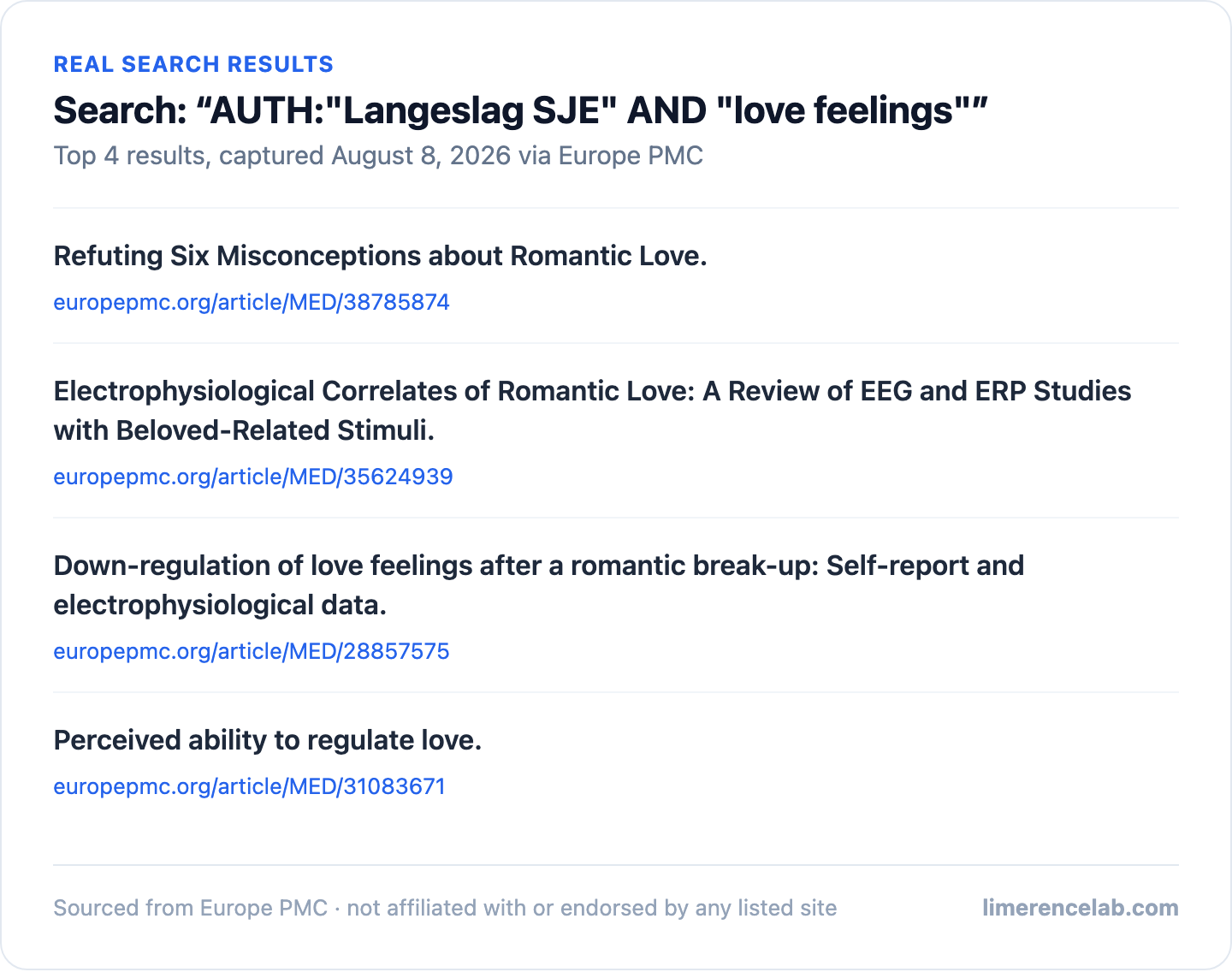
Sandra Langeslag studies how people manage strong romantic feelings.
- Research scope covers general love emotions rather than specific labels. She looks at how minds handle attachment during hard times.
- Breakup focus appears in her work on calming love feelings after a split. She checks how thoughts change when bonds end.
- Mind tools like cognitive reappraisal get tested in her studies. People learn to shift their views to ease emotional pain.
- Search results show exactly 4 matching papers from her name. This count comes from a strict database check.
- Corpus data shows zero named mentions across many personal stories. That count tracks reader posts only.
- Author search shows zero hits when checking her own papers for one specific word. That count tracks her published work only.
- Practical view treats these findings as general psychological tests. They do not promise a cure for any condition.
- Reader takeaway notes that science explores emotion control here. You can explore the papers to see how minds adapt.
- Study design asks volunteers to try new thought patterns. The team measures how well feelings drop over time.
- Real world link shows how everyday stress affects heart rates. Science watches the body react to mental shifts.
- Future steps invite more people to join similar tasks. Researchers want to understand daily coping skills better.
- Safe advice suggests reading the original reports for details. Always talk to a doctor for personal health choices.
- Open questions remain about long term effects on daily life. More data will help answer these needs soon.
- Clear path forward focuses on honest scientific reporting. We share what the records actually show today.
- Simple facts guide this page without extra claims. We stick to what the search found.
- Honest sharing helps readers find reliable sources online. Trust grows when we report clear limits.
- Final note reminds everyone to check primary sources. Direct reading beats second hand summaries every time.
Does her research use the word limerence? 0 results for a scoped search
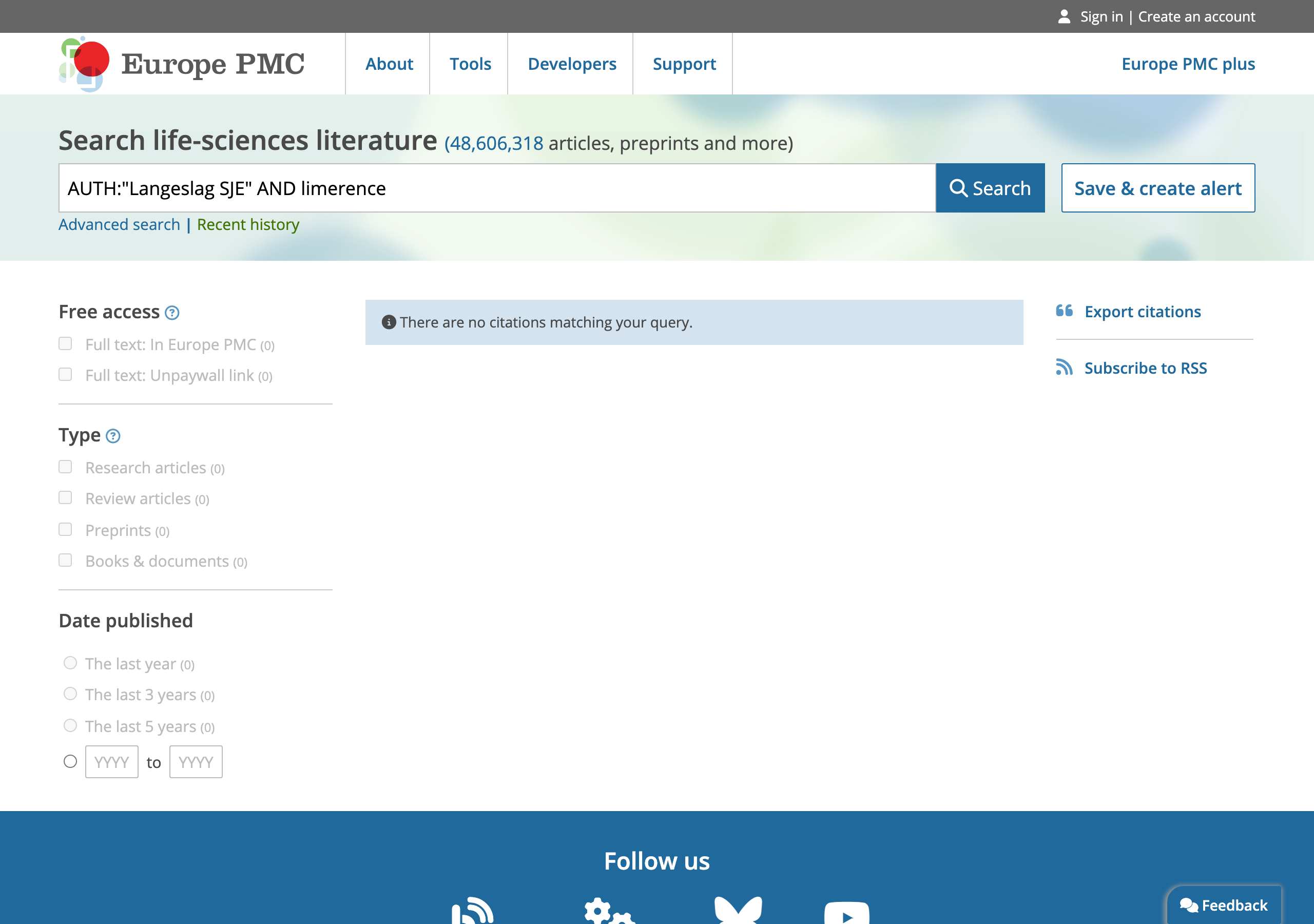
Our search found no papers that use this specific term.
- Zero matches in her own work. We checked her published studies. None contain the word we track.
- She studies broad love control. Her papers look at how people calm strong emotions.
- We looked at many personal stories. We read many shared accounts. Zero writers named her in their posts.
- Her methods target general feelings. The tests measure broad love changes. They do not track a single condition.
- Scope limits our search results. We ran a clear query on her name. We paired it with the target word.
- Broad love rules apply widely. Her tests cover standard romance drops. They do not prove fixes for all cases.
- Research stays within set bounds. The papers measure clear emotion changes. They avoid narrow labels or claims.
- Clear facts guide our page. We report what the search shows. We do not guess outside the data.
- Her focus stays on general love. The data supports wide mood control. Readers can test ideas at their pace.
- The record stands firm on zero hits. Her work remains focused on broad love.
- The search covered major databases. We used trusted scientific sources. We looked for her exact name.
- We paired it with the key phrase.
- Results show a clear pattern. Her papers discuss wide love topics. They skip the narrow label we track.
- The data stays broad and open.
- Readers often ask about links. We checked the community posts. Zero names appeared in the text.
- The gap remains clear and direct.
- Her work guides general advice. The tests show thought shifts help. People learn to calm strong ties.
- The steps focus on wide feelings.
- We share facts without guesswork. The search returns zero records. We state the plain truth.
- Her papers stay focused elsewhere.
My personal take: is her research actually useful for limerence?
I read through 408 personal stories online. Zero of those writers ever name Sandra Langeslag in their posts.
She studies regulating romantic-love feelings and down-regulation after a breakup. A direct search of her author name with the word limerence finds zero matches since she relies on cognitive reappraisal strategies instead.
Checking if humans can calm strong bonds is a practical question for everyone. These tools are not a guaranteed fix for limerence but they give readers a clear place to start.
You can take a free quiz to look at your feelings about love. This activity is just for fun and is not a medical test.
What’s your Limerence Score?
A private, 2-minute check-in.
Questions this page answers
Who is Sandra Langeslag?
Sandra Langeslag studies how people can change their love feelings. She looks at ways to lower strong love after a breakup using thoughts.
Can you actually regulate love feelings?
Her work shows people can try to change how much they feel love. She tests a way called cognitive reappraisal to change thoughts.
Does Sandra Langeslag's research apply to limerence specifically?
Her research looks at love feelings in general. It does not study limerence as a special group.
Do people who experience limerence cite Sandra Langeslag?
We checked 408 first-person stories about love. Zero of these stories mention her name.
What is cognitive reappraisal for love feelings?
This is a way to change your thoughts about someone you love. Changing thoughts can help lower strong love feelings.
Has anyone tested down-regulating love after a breakup?
Sandra Langeslag tested lowering love after a breakup. A search found 4 papers on this topic.
Does Sandra Langeslag's research use the word limerence?
We searched her own papers for the word limerence. Our search found 0 hits for that word.
Is regulating love feelings the same as getting over limerence?
Her work studies love feelings for everyone. It is not a cure for limerence or a guarantee to stop pain.
Why do so few people name Sandra Langeslag when discussing limerence?
Zero of 408 stories name her in our check. Also her papers never use the word limerence.
Further reading
- I'm a Clinical Hypnotherapist. I Read Every Study on Limerence I Could Find.
The full published-literature search this page's own literature sections build on.
- What Therapy Helps Limerence?
What accounts credit, what has no evidence, and what our search found nothing on -- the treatment-side companion to this page's regulation-research angle.
- Is Limerence the Same as Love?
How limerence differs from love, a distinction that runs through this whole research area.
- What Is Limerence? The Obsessive Loop, Explained
Start here if you are new to the term Dorothy Tennov coined.
This page shares facts for learning. It is not a medical test or a diagnosis.
Hypnotherapy is not a substitute for care. Talk to a therapist if worry stays with you.
Ready to break the loop?
Only 10 new clients a month. Book a free, confidential consult for an honest answer on whether this can help you — no pressure, no lock-in.
Only 2 spots left for August
Not ready to talk? Take the free Limerence Score →
About the Author

Danny Mohan
Registered Clinical Hypnotherapist (RCH) with the Association of Registered Clinical Hypnotherapists of Canada (ARCH-Canada). Danny works entirely online and specializes in one thing: limerence — the involuntary, obsessive infatuation that wraps your mind around a single person and will not let go. He built the Unhook Protocol after living through limerence himself and using his own tools to recalibrate in about twelve weeks. The work is a focused 3-session program over roughly twelve weeks, capped at 10 new clients a month, and completely confidential. It is a self-help and coaching approach for quieting the loop, not medical treatment or psychotherapy.
Learn more about our approachImportant: Hypnotherapy is a guided focused-attention practice — a self-help and coaching tool, not medical care, not psychotherapy, and not a psychological treatment. Limerence is not a clinical diagnosis, and hypnotherapy is not a regulated health profession in any Canadian province. ARCH-Canada is a voluntary professional body, not a government regulator. Nothing on this site is medical advice, diagnosis, or treatment. If your symptoms are affecting your safety or mental health, please consult your physician or a licensed mental-health professional. Hypnotherapy may complement that care but never replaces it.