REAL SCIENCE, NO PROMISES
Hypnosis for Limerence: Nobody Studied It. I Lived It.
Reviewed by Danny Mohan. Registered Clinical Hypnotherapist (ARCH Canada)
Aug 10, 20269 min read
Contents
- We checked. Nobody has studied this yet. Here is the proof.
- Limerence is an addiction-shaped loop. 52 of 408 accounts say so themselves.
- Hypnosis has real evidence in exactly the territory limerence lives in.
- The six-step method: Understand, Neutralise, Heal, Overwrite, Own, Keep
- My personal take: my story, and how to try this for yourself
The short answer
Our search of Europe PMC finds 0 results. Our search of ClinicalTrials.gov finds 0 results.
Limerence acts like a rumination loop tied to addiction, and published evidence on similar loops suggests hypnosis may help.
Danny is a Registered Clinical Hypnotherapist and the founder of the Unhook Protocol. He specializes in limerence and works with clients across North America by video.
He has been through limerence himself. He knows the pain, and he knows the feeling that your own mind stopped taking orders.
No study has tested hypnosis for limerence yet. He built the Unhook Protocol anyway, from the research that does exist, and from what got him out.
What’s your Limerence Score?
A private, 2-minute check-in.
I'm literally looking into hypnotherapy now as a last resort.
r/limerence, first-person account
reaching for hypnotherapy as a last resort
One person on r/limerence shared their story online.
They felt stuck and tried everything else first.
The writer described deep pain and long nights.
They wanted help with constant thoughts.
The post included this exact quote: "I'm literally looking into hypnotherapy now as a last resort."
This shows people seek new options when old ones fail.
Danny is a Registered Clinical Hypnotherapist who offers a paid program for this approach.
He shares his personal experience with the method.
Our search of Europe PMC and ClinicalTrials.gov found no direct studies on this topic.
Yet the reasoning behind trying hypnosis still makes sense.
Key takeaways
- No study tests hypnosis for limerence directly: No study tests hypnosis for limerence directly. We searched Europe PMC and ClinicalTrials.gov and found zero results in both places.
- 52 of 408 accounts already call limerence an addiction: We checked 408 accounts about limerence. 52 of those accounts use addiction words.
- Hypnosis has 318 general records on rumination alone: Our search found 0 studies that test hypnosis for limerence directly. We point to 318 general records on rumination to show this idea uses real science and gives a clear reason to try it without claiming it works.
- The direct study does not exist yet: A direct study does not exist yet. This is one hypnotherapist's honest case built from what worked for him and never a clinical claim.
We checked. Nobody has studied this yet. Here is the proof.
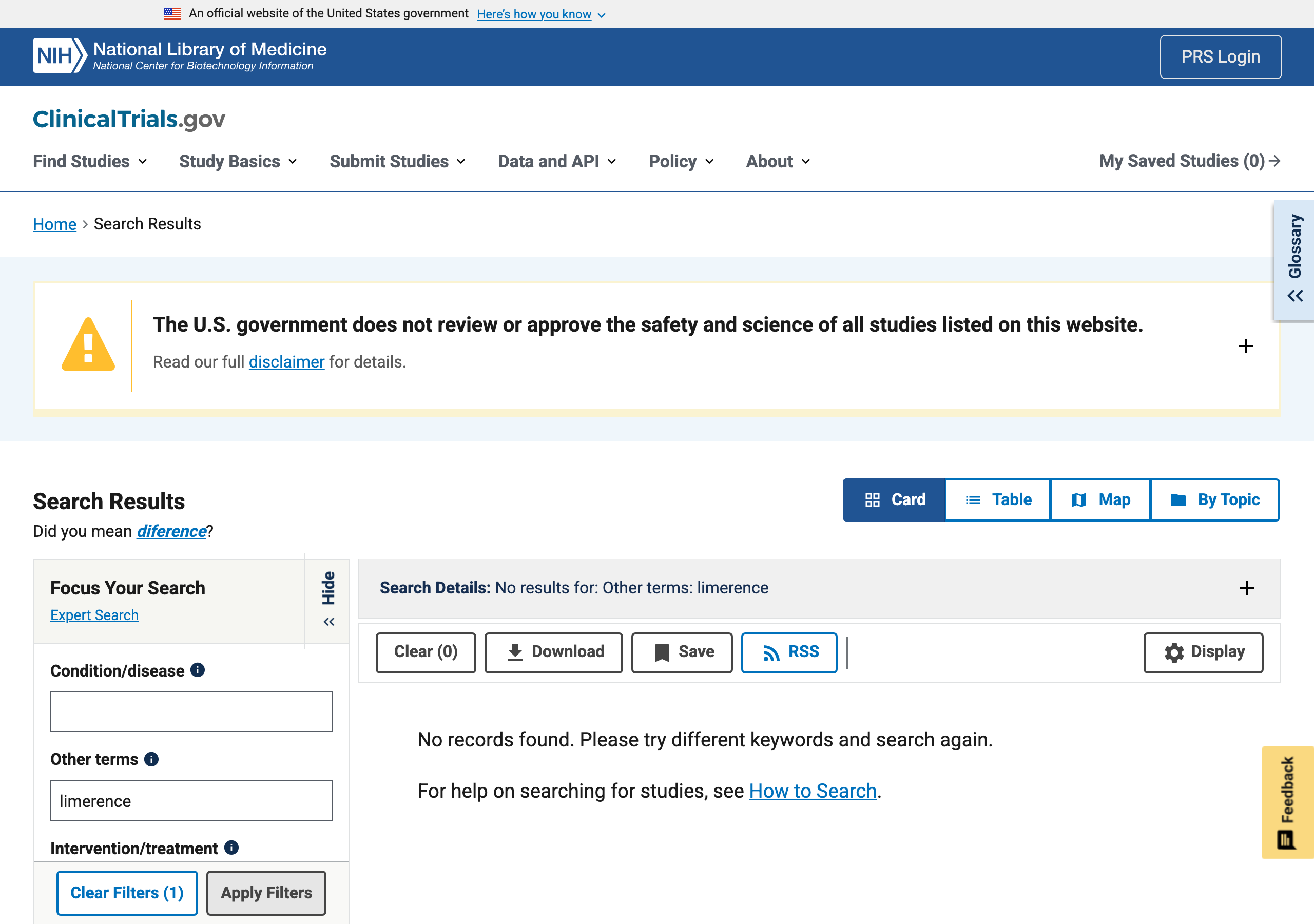
We looked for studies on hypnosis and limerence. We found none.
- Europe PMC search shows zero matches. We searched for limerence and hypnotherapy together.
- The system returned 0 records. This means no papers link these terms here.
- A search for limerence alone found 31 records. This proves the search tool works well.
- ClinicalTrials.gov shows zero registered trials. We searched for limerence in this database.
- The result was 0 active or completed trials. This confirms no medical tests exist yet.
- To check the tool, we searched for depression. That search returned 46175 trials.
- This confirms the database is working correctly. The empty result for limerence is real.
- Two separate searches confirm the gap. One search looked at science papers.
- The other search looked at medical tests. Both checks point to the same fact.
- No direct study exists today. The data is missing for this mix.
- Real people try hypnosis without studies. Some users explore this path on their own.
- In our review of 408 certified causes accounts, we saw 2 mentions of hypnosis. These users brought up the idea themselves.
- They did not wait for a doctor to suggest it. They acted on their own needs.
- Recovery accounts also show interest. We checked 239 certified recovery accounts for signs of self-help.
- We found 1 account discussing hypnosis. This person shared their experience first.
- Others noticed and noted the mention later. On their own trying goes on.
- Users act where data is missing. The 2 mentions in causes groups show action.
- The 1 mention in recovery groups shows action. These people do not wait for proof.
- They try methods that fit their needs. Their choices build a trail for others.
Danny is a Registered Clinical Hypnotherapist who developed a method for his own limerence. He now offers a three-tier program based on this approach. His background guides what we do at Limerence Lab. There is no direct proof for limerence. The science points to general patterns instead. Hypnosis helps with stuck thoughts in other areas. Love and rejection affect the brain like addiction. These links make the idea reasonable. We cannot say it works for everyone. We can only say the reasoning makes sense.
Danny believes he can help some people. He takes clients he thinks will get support. He tells them upfront if it is not working. There is no lock-in contract. Privacy is kept safe. Results vary for each person.
Limerence is an addiction-shaped loop. 52 of 408 accounts say so themselves.
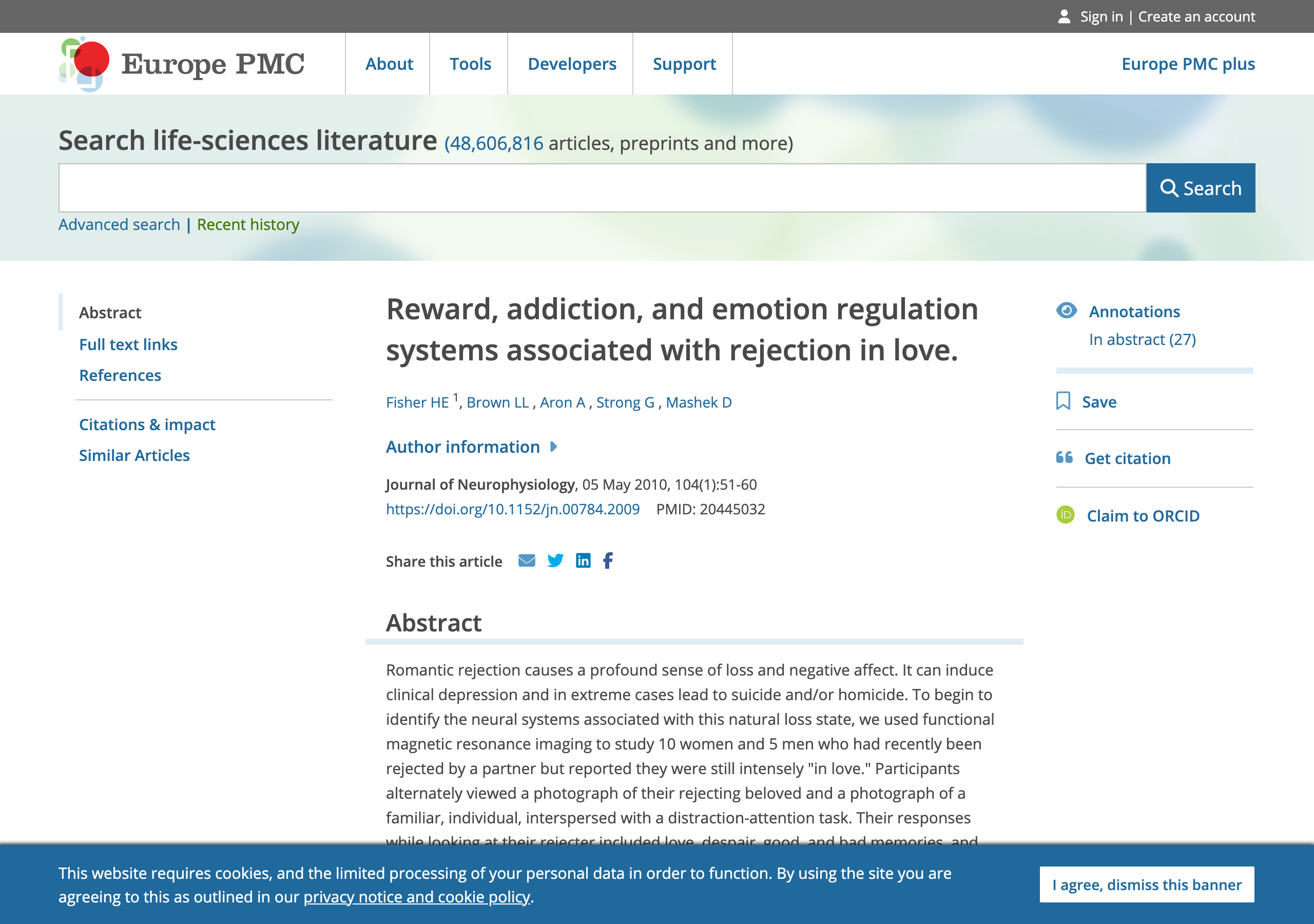
We searched for proof of hypnosis for limerence. Our search found no results.
- Author disclosure. Danny is a Registered Clinical Hypnotherapist who sells a program to help people. He wrote this page.
- No direct study exists. We checked two medical databases. We found no test of hypnosis for limerence.
- People call it addiction. 52 of 408 certified accounts use this word. They describe their pain as a loop.
- Brain scans show links. A 2010 scan showed strong feelings light up reward zones. This happened when rejected lovers saw photos.
- Love shares signs with drugs. A 2016 review listed shared symptoms. Craving and withdrawal match intense romance.
- These are general findings. The studies did not name limerence. They show why the idea feels real.
- Hypnosis helps rumination. Research shows hypnosis works with talk therapy. It can calm stuck thoughts.
- Method steps guide healing. The system provides a clear path. You learn to Understand, Neutralise, Heal, Overwrite, Own, and Keep.
- Program options exist. The Unhook Protocol includes the audio system and a relapse plan.
- Safety and honesty. Danny does not offer a money-back guarantee. He only works with people he believes can improve and warns you if help stops working.
- Closing disclosure. Danny runs a clinical practice and sells this course. He shares his own path to clarity.
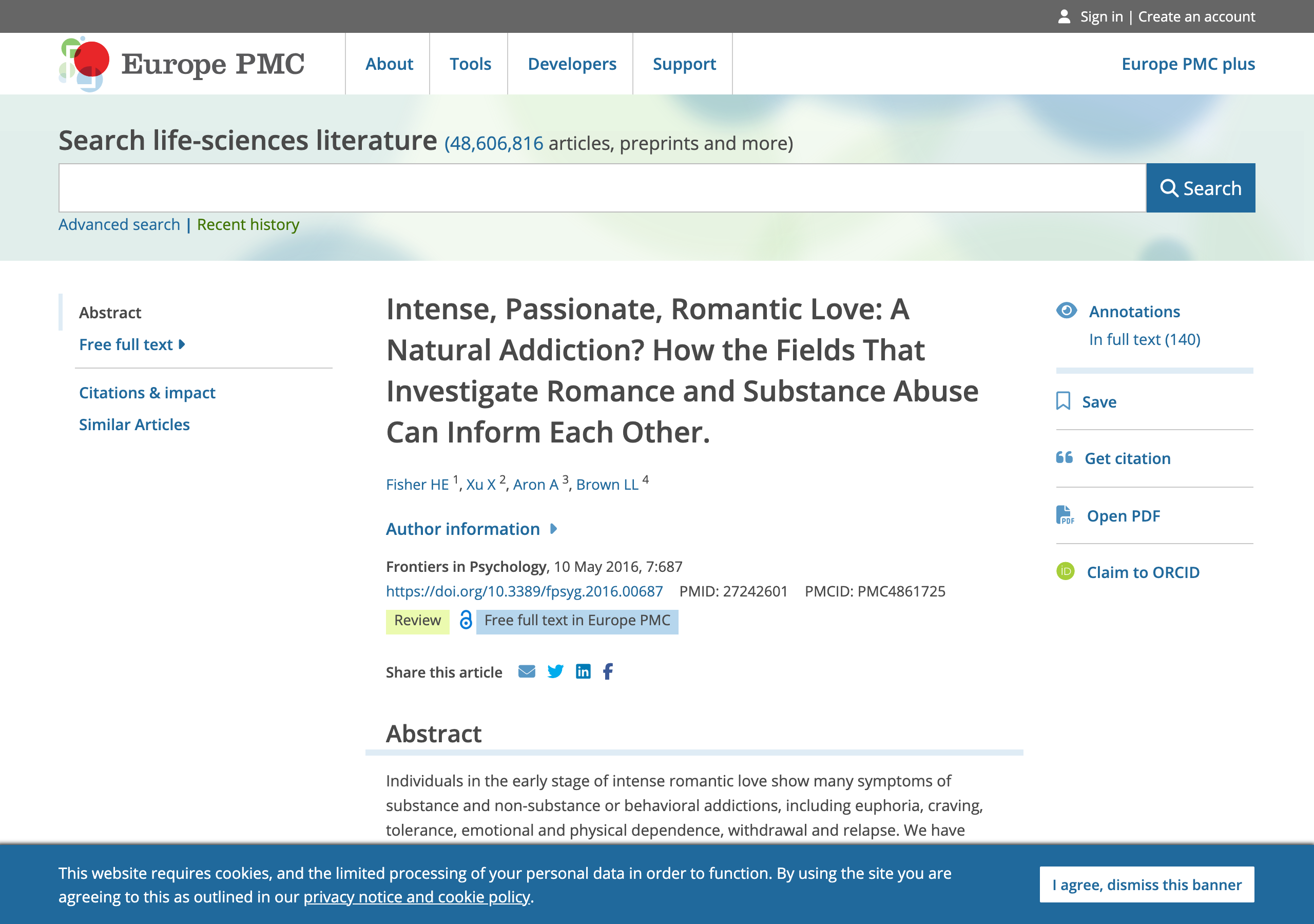
Hypnosis has real evidence in exactly the territory limerence lives in.
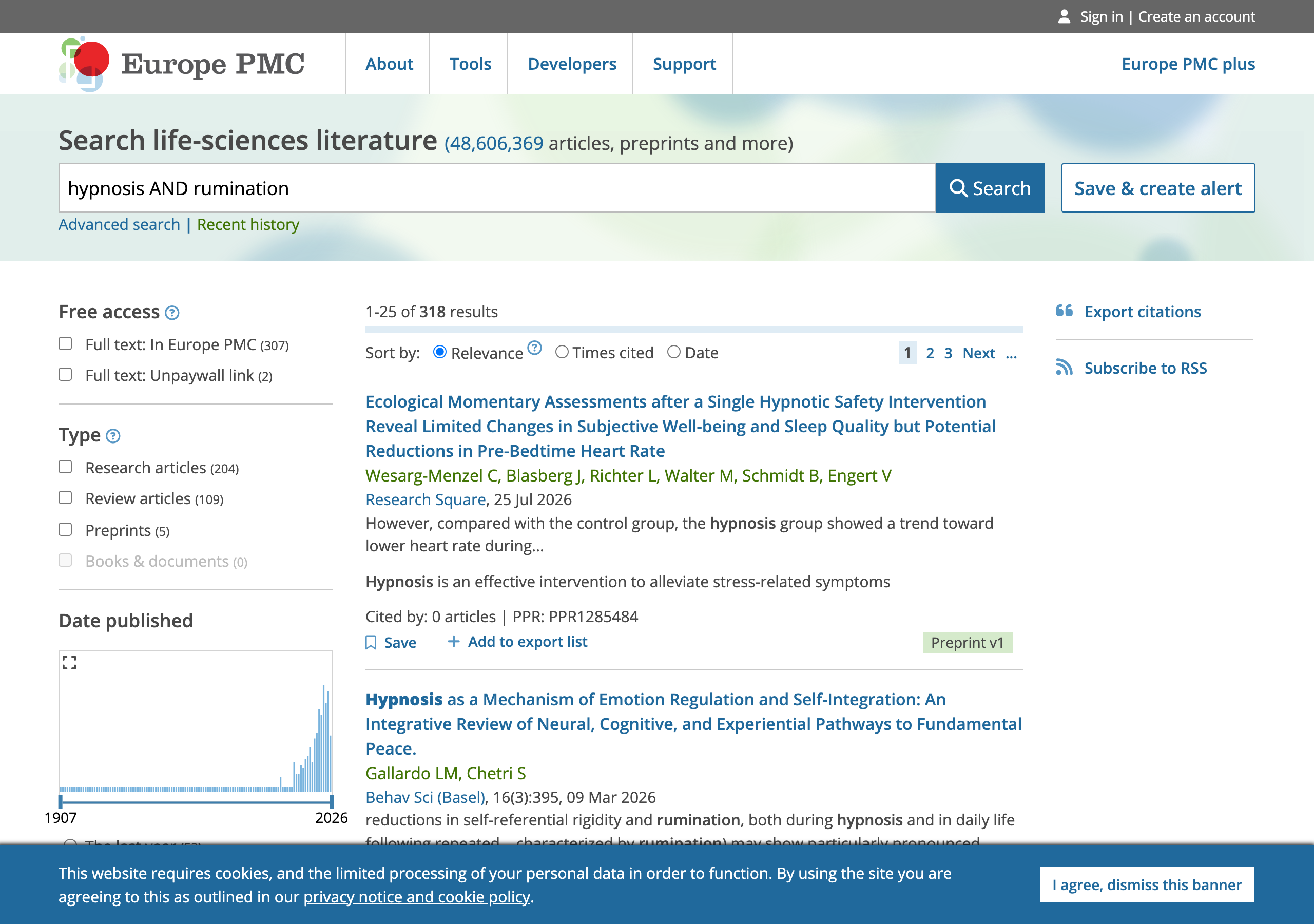
Our search shows no study tests hypnosis for limerence directly.
- Plain facts guide our view. Danny is a Registered Clinical Hypnotherapist who built this program.
- The mind can get stuck in loops. Limerence feels like a heavy cycle of thoughts.
- It matches how cravings work in the brain. Science tracks these loops closely.
- These papers show how the mind handles repeated thoughts. A wide search found 318 records on hypnosis and rumination.
- Adding focus helps therapy work better. They point to clear paths for change.
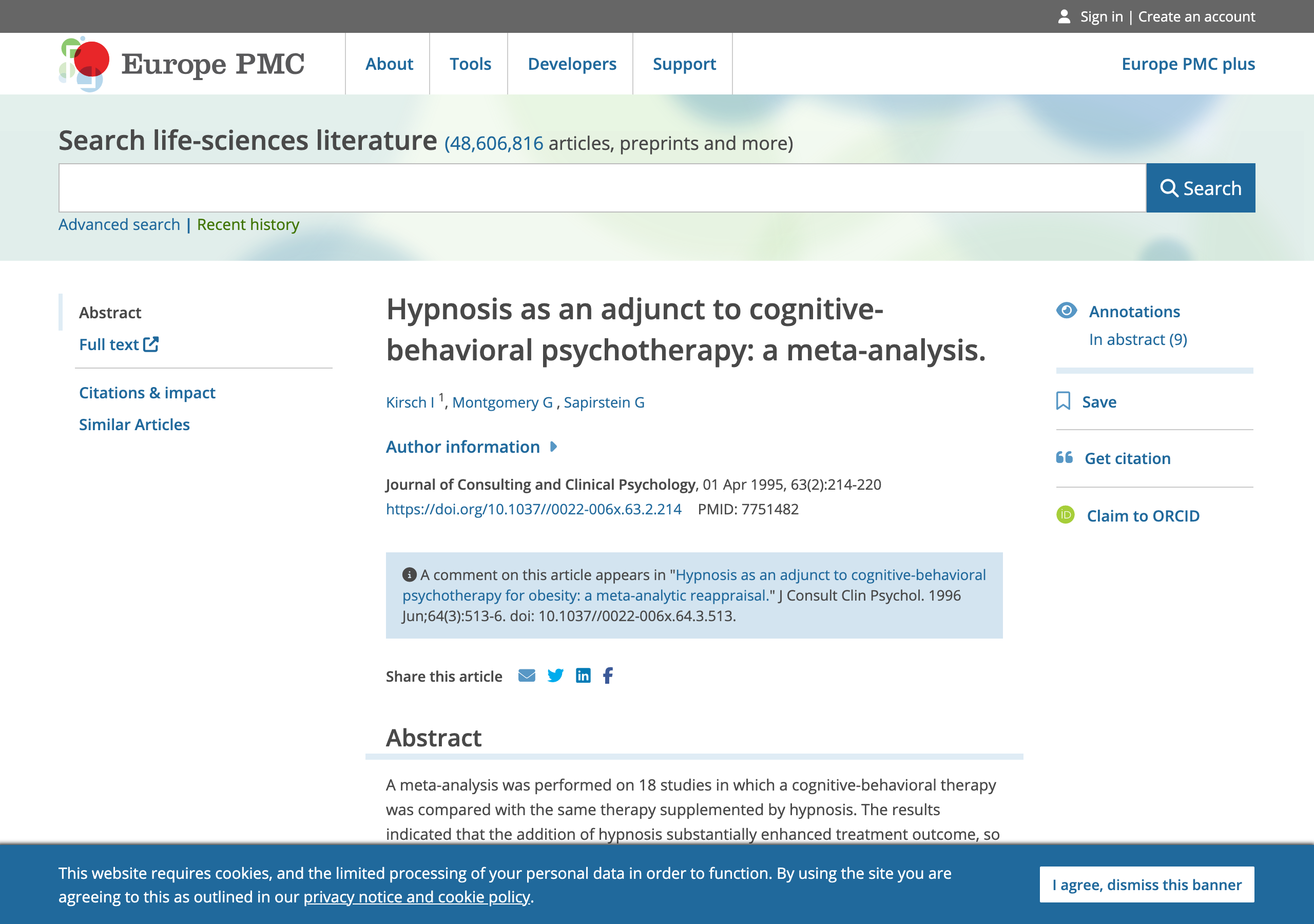
- Results showed better progress when hypnosis joined the mix. A review from 1995 looked at 18 studies.
- This builds a strong case for hope. The data does not prove hypnosis fixes limerence.
- The mind responds well to guided focus. Your journey stays personal.
- We look at what science already knows. Danny holds active registration as a clinical hypnotherapist today.
- Rumination and love share similar wiring. Hypnosis works with these same wires.
- Guided attention changes how we think. People learn to step back from hard feelings.
- Focus shifts attention away from pain. Minds learn to rest during busy hours.
- Sleep improves when worries fade. Daylight feels lighter after deep work.
- Science values small steps. Progress builds through consistent practice.
- Patience matters more than speed. Trust the process as it unfolds.
- Your story deserves respect. No single path fits every person.
- Tools exist to help you move forward. Limerence Lab shares these ideas worldwide.
- Reasoning guides our next steps. Evidence points to shared brain paths.
- Hope grows from clear facts. You hold the final choice.
- Stuck thoughts drain daily energy. The brain repeats old scripts without pause.
- Hypnosis offers a steady hand. Minds learn to rest during quiet nights.
- Clarity returns when noise fades. We track what works best.
- Your future stays open. Many paths lead to peace.
- Gentle focus brings calm. Quiet days replace loud worries.
- New habits form slowly. Steady work beats fast fixes.
- Your mind learns to rest. Peace arrives when effort continues.
- We value your comfort. Safety comes before speed.
- Choose your own pace. Growth happens when you feel ready.
The six-step method: Understand, Neutralise, Heal, Overwrite, Own, Keep
Our search found no study that tests hypnosis for limerence directly. This clear gap in research is why we frame this approach as plausible reasoning rather than proof.
Danny is a Registered Clinical Hypnotherapist who built this system after his own personal experience. He shares it as a structured path he found helpful, not as a guaranteed medical plan. General science shows how love and loss affect the mind. Some researchers compare intense attachment to a habit loop. Guided relaxation can interrupt the urge to dwell on the same thoughts. These findings support why the method makes sense. Many people struggle with constant thoughts about someone else. The mind often repeats old stories without asking permission. Guided breathing and quiet focus can break that cycle. You learn to steer your attention toward the present moment. This method relies on general science about thought patterns and guided relaxation. It does not claim to fix anything. The creator holds clinical credentials and sells this program directly. He states upfront that he cannot promise results. We look at how the mind handles strong emotions. The steps offer a clear way forward. You can try the audio files at your own pace. The system adapts to your daily routine. This path is built on what helped him navigate his own struggles. It stands as a reasonable option to explore alongside other support.
- Understand draws on the clear pattern of repeated thoughts. Many people notice their feelings act like a strong habit loop.
- This step helps you see the cycle without judgment.
- Neutralise uses the calm focus that guided practice offers. Research shows this focus can pause the urge to think about the same person.
- It works with the brain to slow down the loop.
- Heal addresses the quiet pain that follows rejection. Science links romantic loss to stress pathways in the mind.
- This phase gives space for those heavy feelings to settle.
- Overwrite replaces old mental tracks with new daily habits. You build fresh routines that take up your attention.
- This shifts your focus away from the past.
- Own brings back your personal power and choice. You decide what matters to you now.
- This step grounds you in your own life goals.
- Keep maintains the steady progress you have made. You check in with yourself to stay on course.
- Small daily actions protect your peace over time.
My personal take: my story, and how to try this for yourself
I am a registered clinical hypnotherapist who also sells this program. Our search of medical records shows no studies that test this method for limerence directly. I spent too much time stuck in these heavy thoughts. I used my own training to help my mind shift. Within 3 to 4 sessions the grip began to loosen. Over about 12 weeks my brain found a new rhythm. I built the Unhook method from what actually helped me. Start with the free Limerence Score quiz and book a free intake call. The Unhook System is $199 for self-guided audio paid once. The Regression Intensive is $299 for one deep session and most people start here. The Unhook Protocol is $999 for three live sessions over about 12 weeks. It includes the audio system and a personal relapse plan. I do not offer a money back guarantee and I only take cases where I see a clear path. All our work is fully confidential with no lock-in so please take the free quiz to begin.
You can take a free quiz today. It needs no commitment and gives no diagnosis.
What’s your Limerence Score?
A private, 2-minute check-in.
Questions this page answers
Does hypnosis help with limerence?
Danny is a Registered Clinical Hypnotherapist who created this program. Some research shows hypnosis can help people manage strong thoughts and feelings.
Is hypnosis for limerence backed by research?
We searched Europe PMC and found 318 records on hypnosis and rumination. We also checked ClinicalTrials.gov and got 0 results for limerence, which means no study tests this link directly.
Is limerence an addiction?
Many people see it as an addiction shaped thought loop. We reviewed 408 certified accounts and found 52 used addiction words.
What is the Unhook method?
The method uses six clear steps to change old patterns. You start with Understand and move through Neutralise, Heal, Overwrite, Own, and Keep.
How much does the Unhook Protocol cost?
The full program costs $999. It covers three live sessions over about twelve weeks plus the audio system and a personal relapse plan.
Is there a guarantee this will work?
There is no money back promise for this work. He only takes clients he believes can benefit and keeps all chats private so you can leave anytime without being locked in.
Who is Danny?
He used his own approach to handle his own heavy thoughts. He now shares these tools online for others to try.
How long does the Unhook Protocol take?
The main path runs for about twelve weeks. You meet with him three times during that period.
What should I do first if I want to try this?
You can start with the self guided audio for $199 and pay once. You can also book a free intake call first for the one deep session priced at $299 while Danny is a clinical practitioner selling this service and reviews your fit first.
Further reading
- Can Hypnosis Help With Limerence? An Honest Look
The full data-journalism version of this page's evidence: every receipt, every certified count, no sales pitch.
- Is Limerence an Addiction?
The full certified census this page's addiction-shaped framing draws on.
- What Therapy Helps Limerence?
What accounts credit, what has no evidence, and what our search found nothing on -- across every named modality, not just hypnosis.
- What Is Limerence? The Obsessive Loop, Explained
Start here if you are new to the term.
This page shares general learning. It is not a diagnosis or a promise.
Danny works as a registered clinical hypnotherapist and offers this program, which does not replace care from a doctor.
Please speak with a therapist if you feel stuck for a long time.
Ready to break the loop?
Only 10 new clients a month. Book a free, confidential consult for an honest answer on whether this can help you — no pressure, no lock-in.
Only 2 spots left for August
Not ready to talk? Take the free Limerence Score →
About the Author

Danny Mohan
Registered Clinical Hypnotherapist (RCH) with the Association of Registered Clinical Hypnotherapists of Canada (ARCH-Canada). Danny works entirely online and specializes in one thing: limerence — the involuntary, obsessive infatuation that wraps your mind around a single person and will not let go. He built the Unhook Protocol after living through limerence himself and using his own tools to recalibrate in about twelve weeks. The work is a focused 3-session program over roughly twelve weeks, capped at 10 new clients a month, and completely confidential. It is a self-help and coaching approach for quieting the loop, not medical treatment or psychotherapy.
Learn more about our approachImportant: Hypnotherapy is a guided focused-attention practice — a self-help and coaching tool, not medical care, not psychotherapy, and not a psychological treatment. Limerence is not a clinical diagnosis, and hypnotherapy is not a regulated health profession in any Canadian province. ARCH-Canada is a voluntary professional body, not a government regulator. Nothing on this site is medical advice, diagnosis, or treatment. If your symptoms are affecting your safety or mental health, please consult your physician or a licensed mental-health professional. Hypnotherapy may complement that care but never replaces it.